
Our Life of Penance
“Do penance with the blessing of God” – St. Francis“Do penance with the blessing of God” – St. Francis
In the Testament which he dictated shortly before he died in 1226, our Blessed Father St. Francis makes reference to the beginnings of his religious life in these terms: The Lord granted me, Brother Francis, to begin to do penance in this way… And at his death, he gave this exhortation to us, his sons: Do penance with the blessing of God. The first companions and the early friars, in obedience to and in imitation of their Father who had become, in Brother Elias’ words, a living crucifix, did just that, and with what fervor! And we mean to do the same, with the help of Our Lady. St. Maximilian, whom Pope Paul VI called, in beatifying him, Francis come alive again for our age, that is, because of his perfect imitation of our Blessed Father, said: Penance, penance, penance! the Immaculate repeated this to Bernadette. And is not this the goal of our Order, the Order of Penitents? Is it not above all fitting for us to accept the Immaculate Virgin’s invitation to this and carry this invitation all over the world as something for all times? What must be the motive of our life of penance, of our daily penances? conforming to Jesus Crucified, completing in our flesh what is wanting in the Passion of Jesus (viz. our cooperation, our sharing in His sufferings), suffering for the salvation of souls, paying the penalty for our sins and those of others. It is not simply a matter of doing this penance or that individual acts of penance, but rather of willingly and lovingly imposing upon ourselves a continuing program of penitential living which puts us in a state of being continually offered as victims with Christ. What is costly and displeasing to fallen nature must stand out among our choices and our behavior so that we may chastise our bodies and bring them into subjection (1 COR. 9:27) and always bear about in our bodies the dying of Jesus, that the life of Jesus may also be made manifest in our bodies (II COR. 4:10).
“We willingly and lovingly impose upon ourselves a continuing program of penitential living which puts us in a state of being continually offered as victims with Christ.”
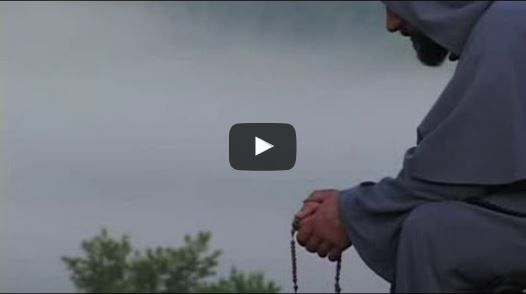
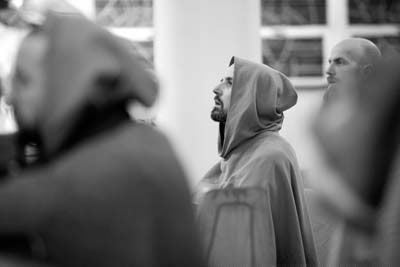
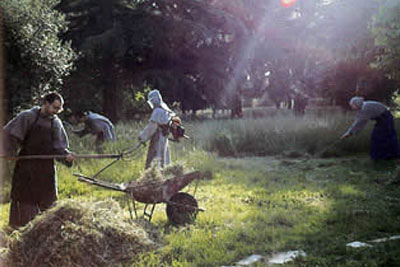
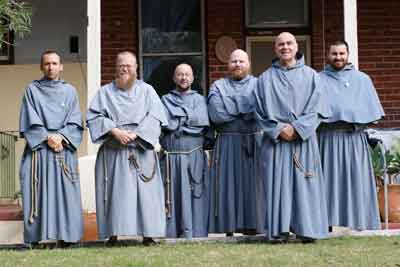
In the words of St. Maximilian: Our immolation must be total, without reservations. This evangelical spirit of penance shapes and animates our common life: rising in the dark before dawn; extended hours of prayer in common; uninterrupted silence throughout the friary; faithfulness and punctuality in the common exercises; hard work with no thought to fatigue; fasting during two Lents (one in preparation for Christmas, one in preparation for Easter) and on the vigils of Our Lady’s feasts; a frugal, plain diet, eating “of whatever is put before us” according to the Holy Rule; the use of the discipline; no shunning of discomfort and hardship and, on the contrary, avoidance of ease and convenience; frugality in all the areas of the friary enclosure. Penance must shine in our whole person as we go always clothed in the habit, day and night, a habit of penance in the form of a cross, a perceptible sign of our death to the world and our conformity to Christ Crucified, as we keep our hair cut very short, wear sandals on sockless feet summer and winter, dressed in a habit and underclothes of cheap material and, according to the Rule, patched with the blessing of God, ridding ourselves of all that merely gratifies (smoking, liquor, vacations, theater-going, sports events, etc.) as not being reconcilable with our vocation of penance and victimhood. Indeed, we wish ever more and more fervently to answer the invitation Our Lady has given us to live the life of the Friars Minor according to its most primitive spirit, expressed so poignantly by St. Maximilian in a letter to another friar of the Order who was desirous of joining him: Come with us to die of hunger, of fatigue, of humiliations, and of suffering for the Immaculate. CH. VI).
Our Life of Penance
Our Life in Common
Our Apostolic Work